 Support l'X
 Feature : Experimental mechanics lessons for third-year École Polytechnique's students
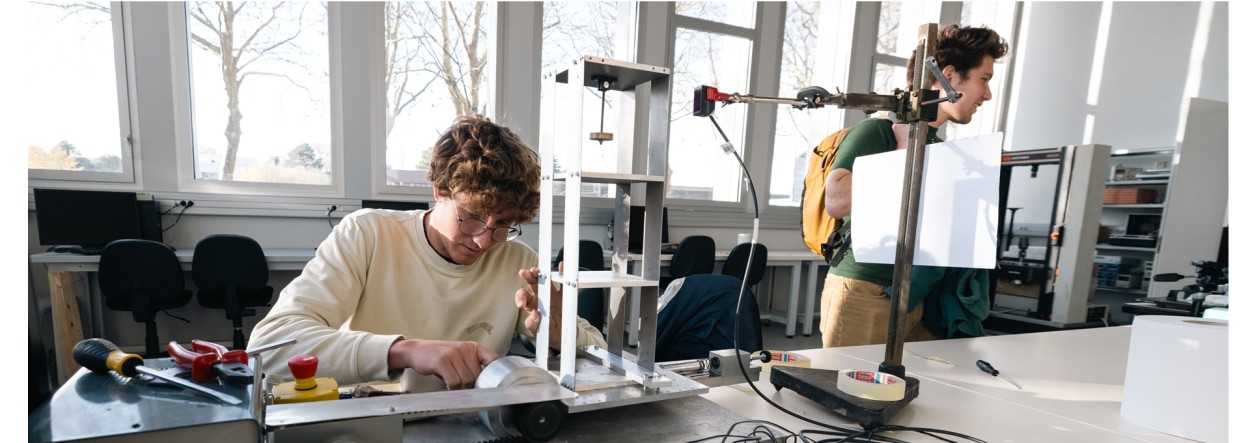
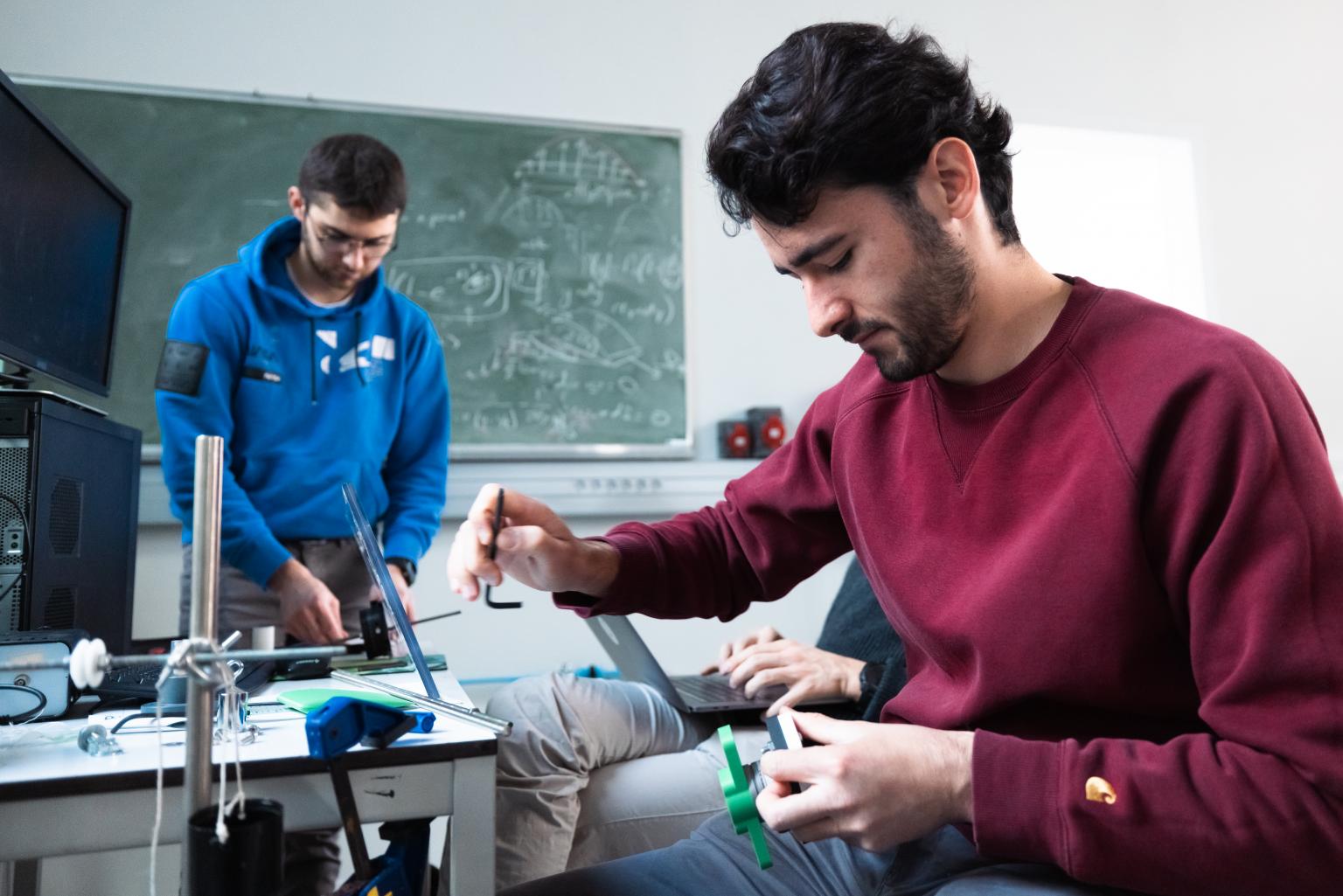
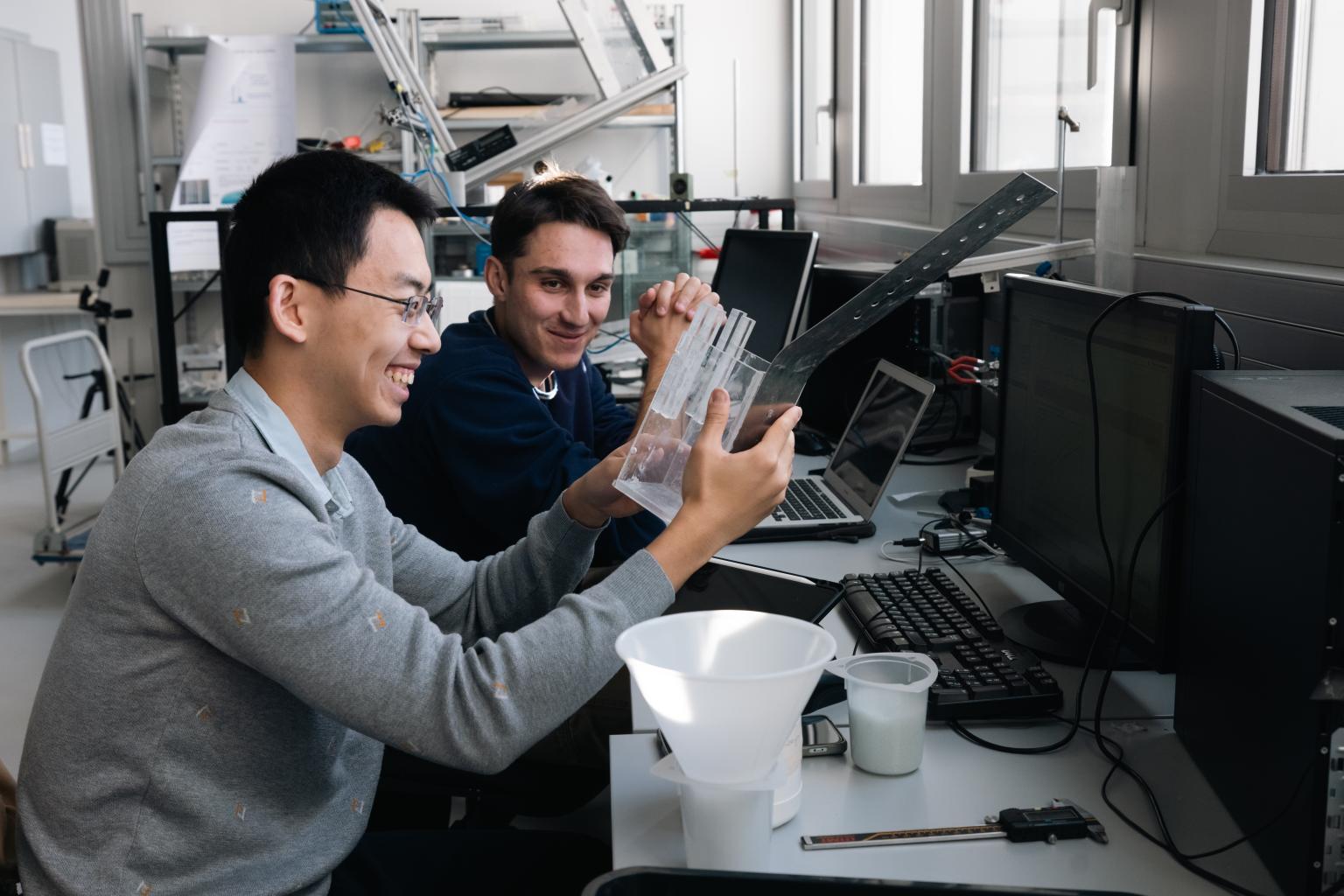
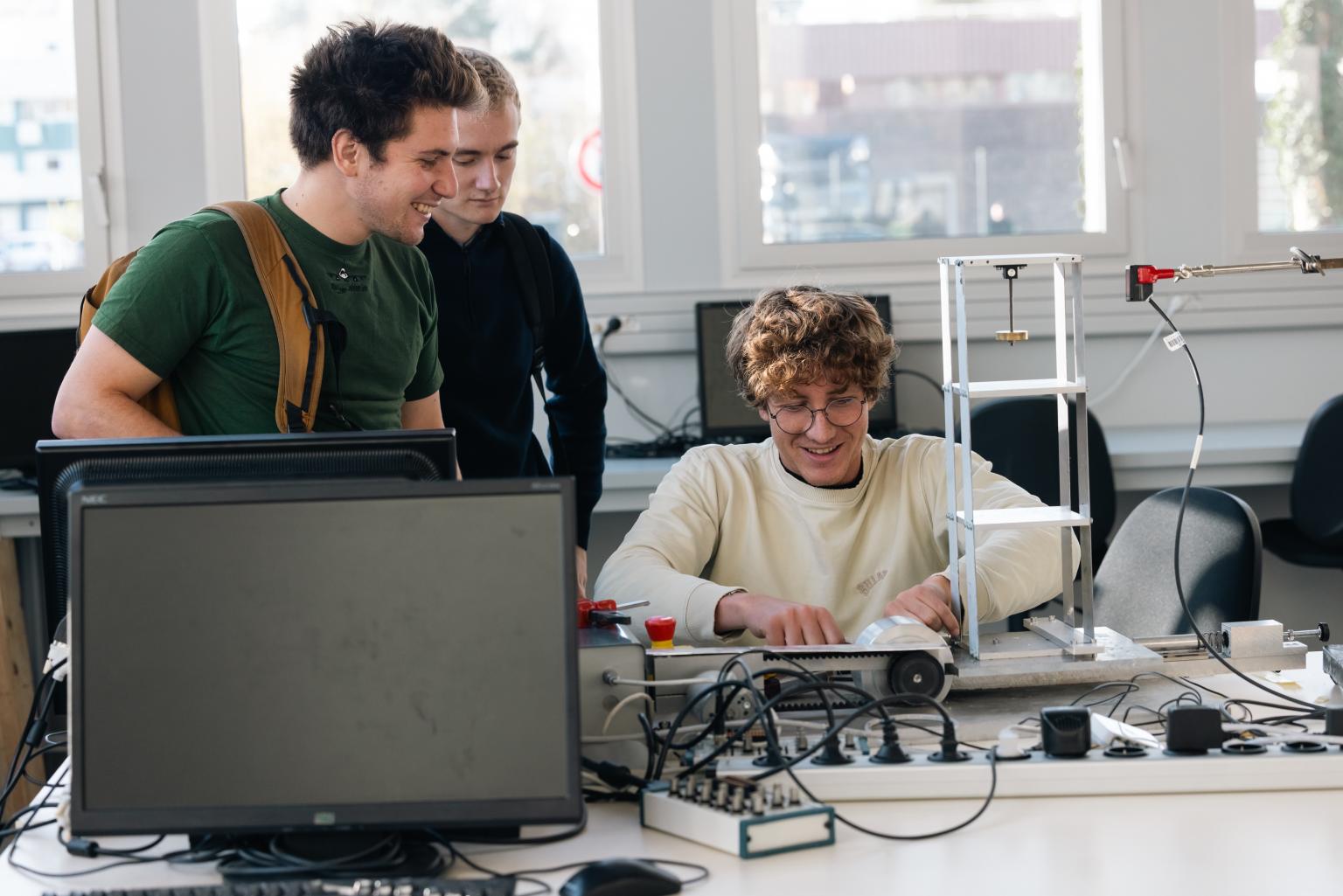
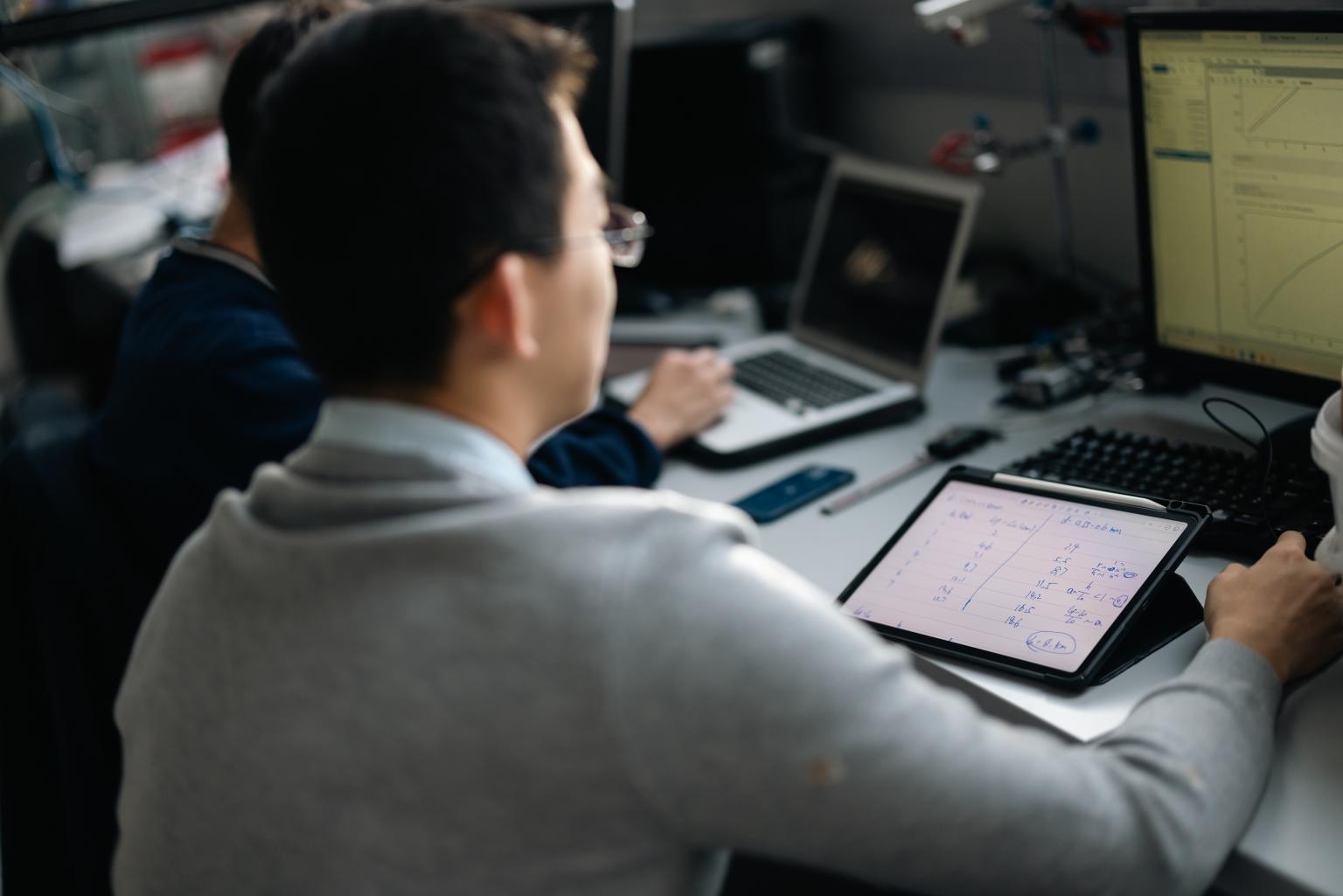
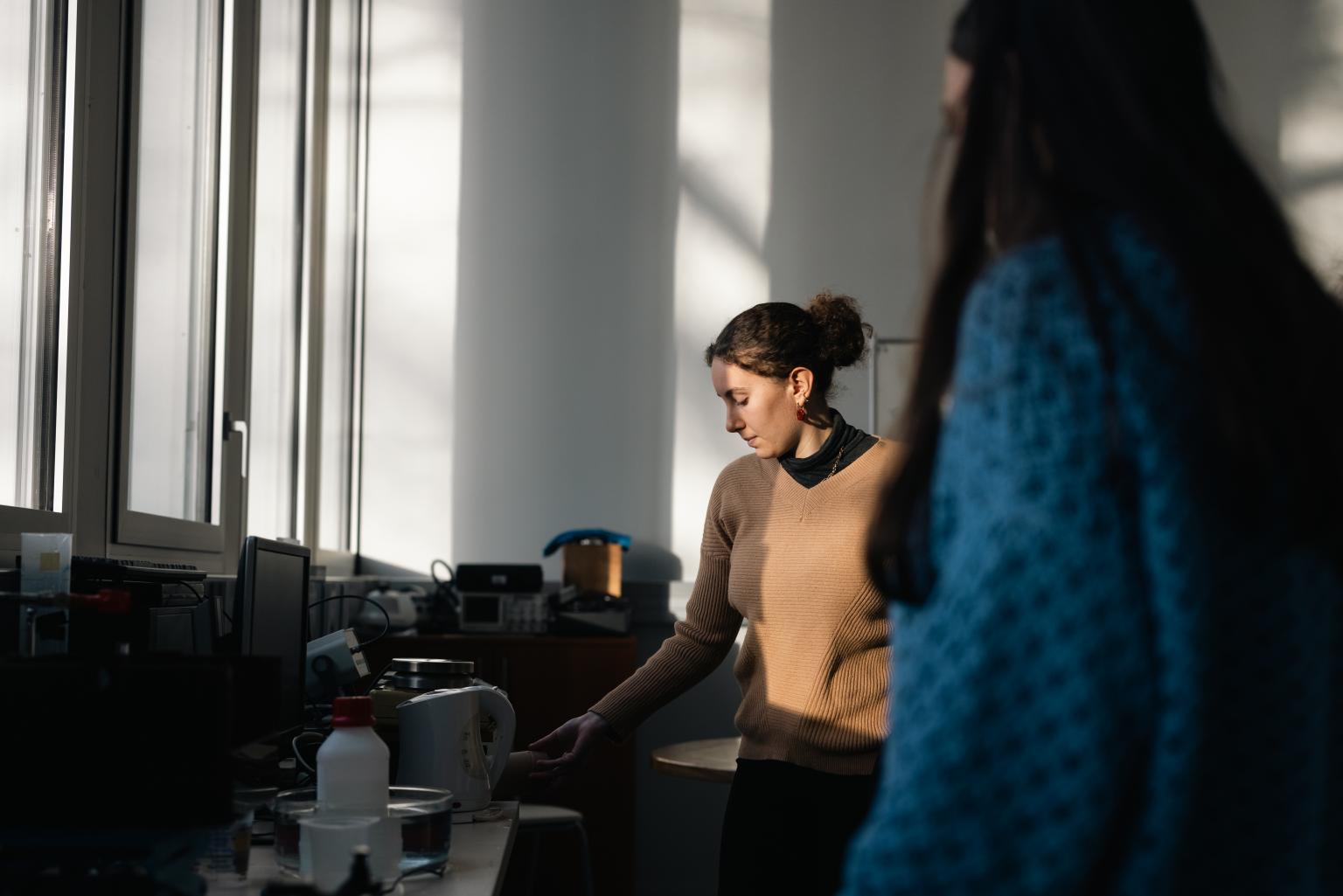
Tuesday, November 19, 2025. École Polytechnique campus. Mechanical Engineering Building. Cycle ingénieur polytechnicien students are divided into small groups of two or three in the large rooms on the ground floor—the Hydrodynamics Room, Biomechanics Room, Fluid Mechanics Room, and Workshop—of this building, which was inaugurated on October 3, 2024.
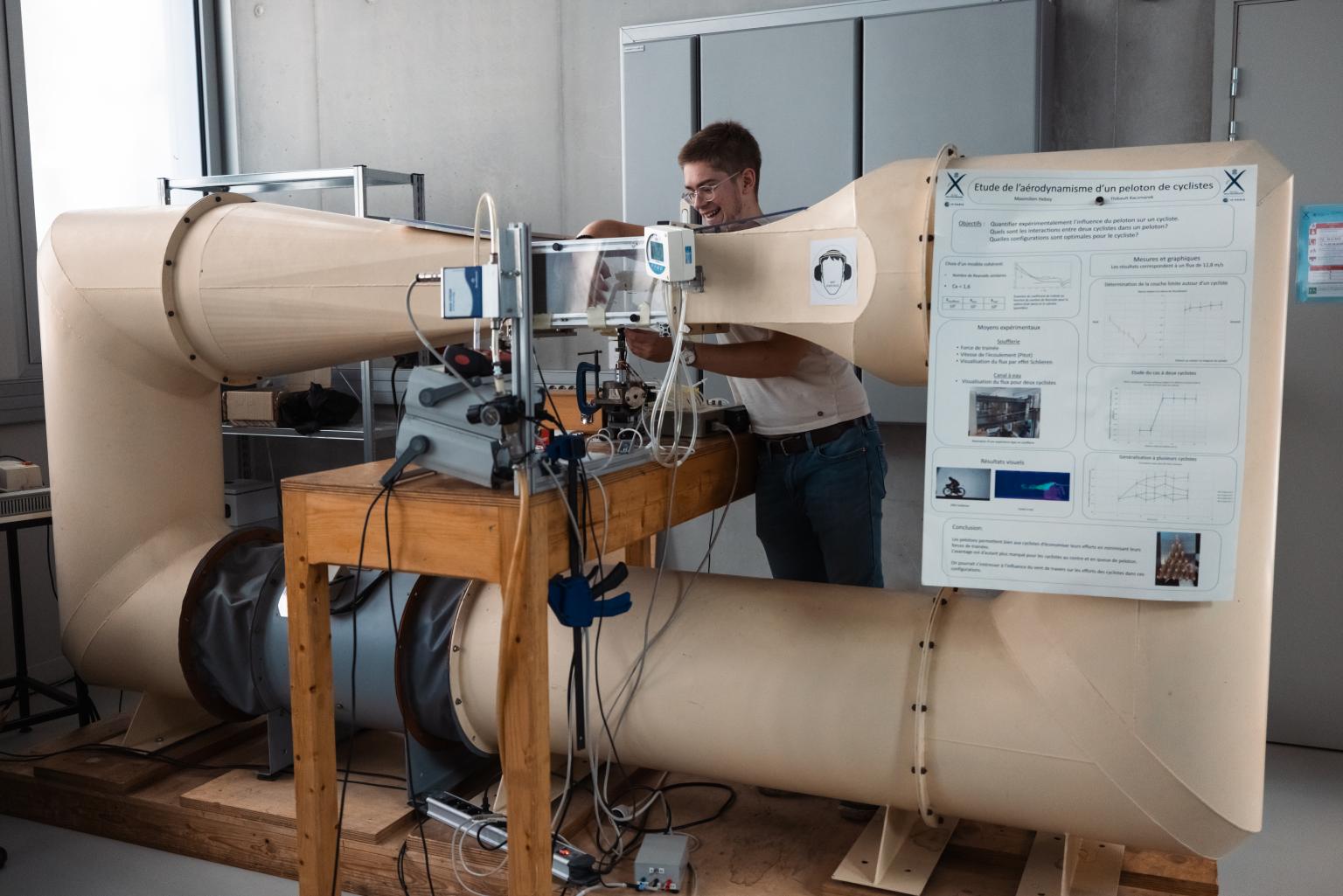
They are gathered for the seventh of nine sessions devoted to their scientific project as part of their advanced studies in mechanics, energy, and environmental science and challenges in their third year of engineering studies at the École Polytechnique. Around twenty projects are currently underway. In the first term, they focus on environmental and aerodynamic flows and the behavior of materials in a wide range of applications. In the second period, they will focus on complex fluids and fluid-structure interactions.
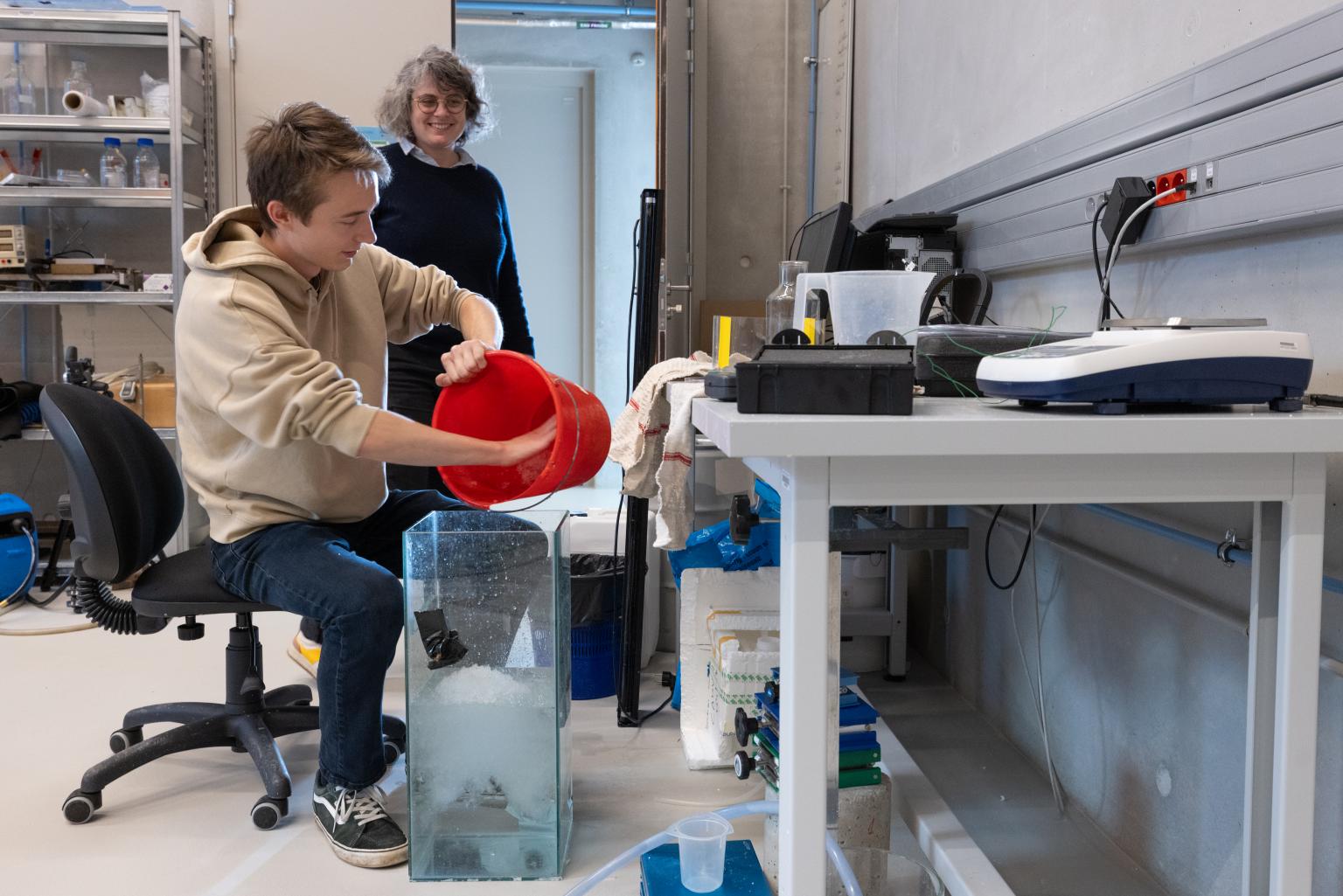
Here, a group of students are reproducing the behavior of geysers in the laboratory and trying to understand the link between the size of the reservoir, the temperature, the pressure, and the periodicity of the geyser, as well as its height.
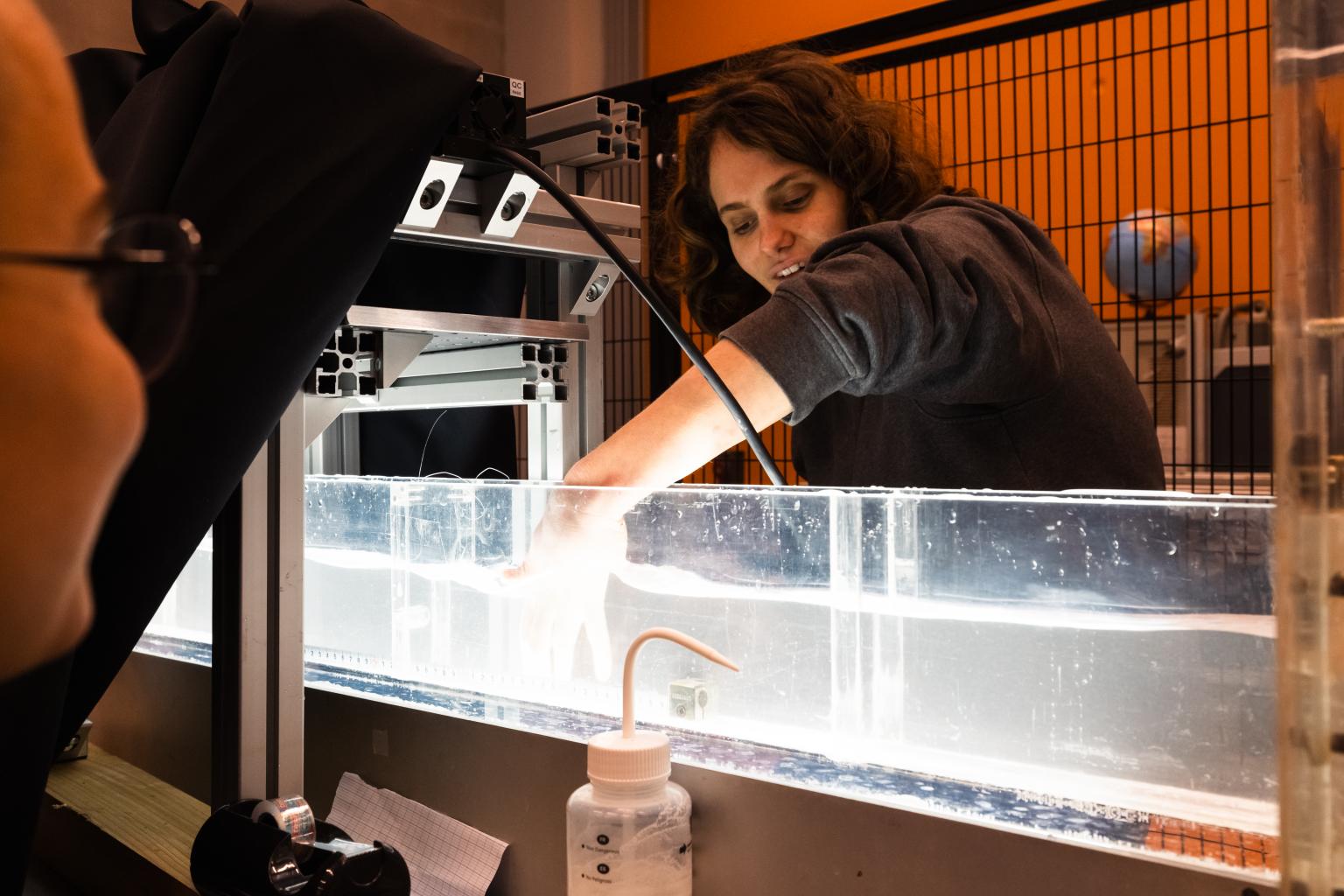
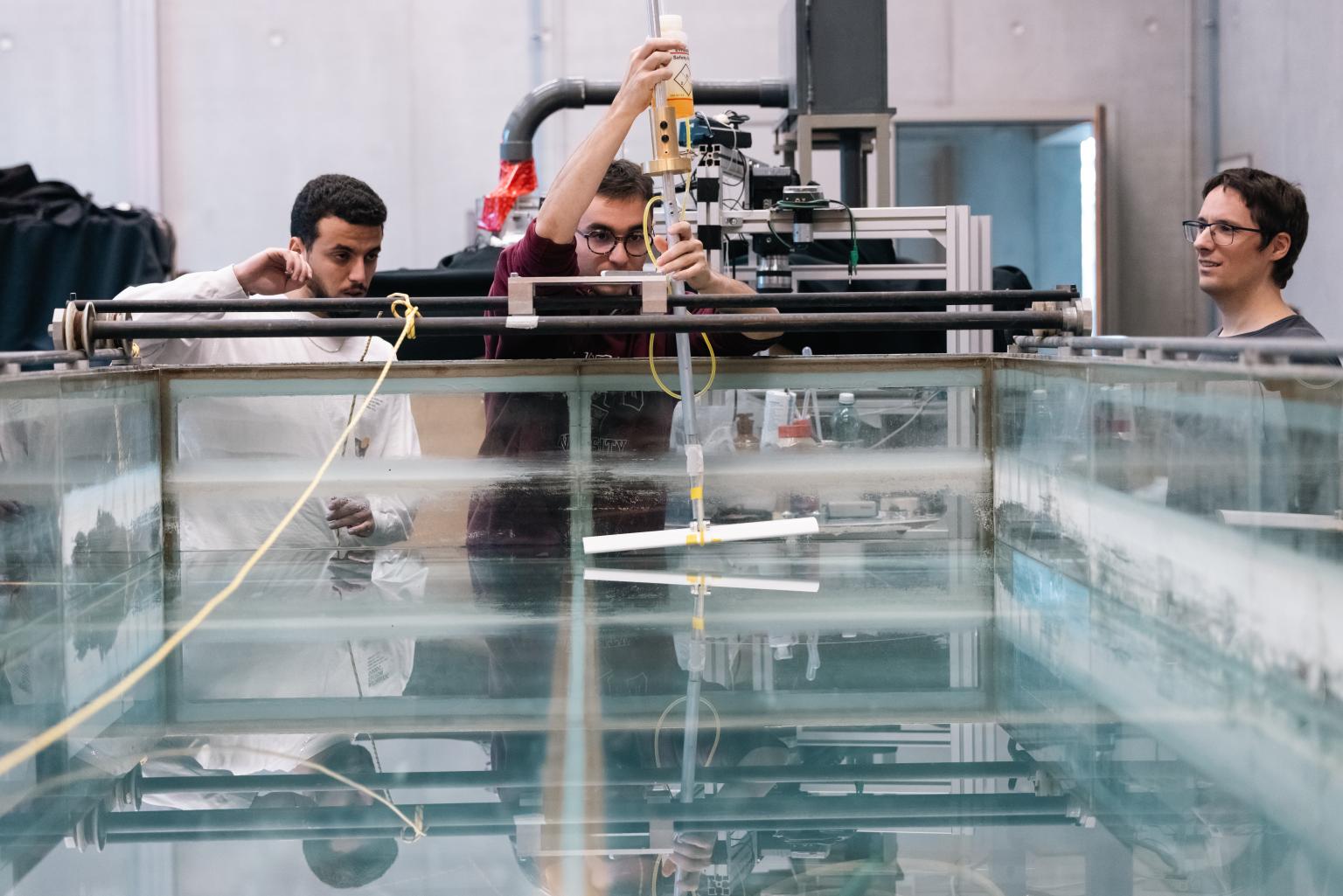
Another group is trying to observe and understand the formation of eddies in the wake of a wing beating in water, depending on the frequency and amplitude of the beating, as well as the speed of the water and the dimensions of the wing.
“Third-year students are already quite independent, with a good knowledge of the scientific basics, and they can really build their own projects,” notes Camille Duprat, professor at the École Polytechnique, researcher at the Hydrodynamics Laboratory (LadHyx), and vice president of the Department of Mechanics, who supervises some of the work in progress.
“We offer them exploratory projects for which we don't have all the answers either,” she continues.
"Mechanics is a discipline that offers the advantage of being able to grasp a problem in its entirety: ‘I have an idea, I set up an experiment, I take measurements, and I am able to physically interpret my results,’ which is not possible in all fields. We are fortunate that our discipline lends itself very well to this type of experimental project," emphasizes Camille Duprat.
This experimental teaching is accompanied by a high level of involvement from teacher-researchers and requires a high level of supervision. Two positions are dedicated to this within the Experimental Mechanics Laboratories (TREX).
What we do here is quite original, and we in the Department of Mechanical Engineering are committed to this experimental approach, which has many benefits for learning our discipline, but also for developing scientific thinking and methodology. It is an approach that involves breaking down and modeling a complex system, which students can then apply in other situations in a professional setting. Camille Duprat.
 Crédit photo : © Jérémy Barande
.jpg) Crédit photo : © Jérémy Barande
Crédit photo : © Jérémy Barande
 Crédit photo : © Jérémy Barande
 Crédit photo : © Jérémy Barande
 Crédit photo : © Jérémy Barande
 Crédit photo : © Jérémy Barande
 Crédit photo : © Jérémy Barande
 Crédit photo : © Jérémy Barande
 Crédit photo : © Jérémy Barande
 Crédit photo : © Jérémy Barande
 Crédit photo : © Jérémy Barande