 Support l'X
 ‘We must prepare for all possible scenarios of war,’ - Nicolas Roche - SGDSN
 © Jérémy Barande, École polytechnique
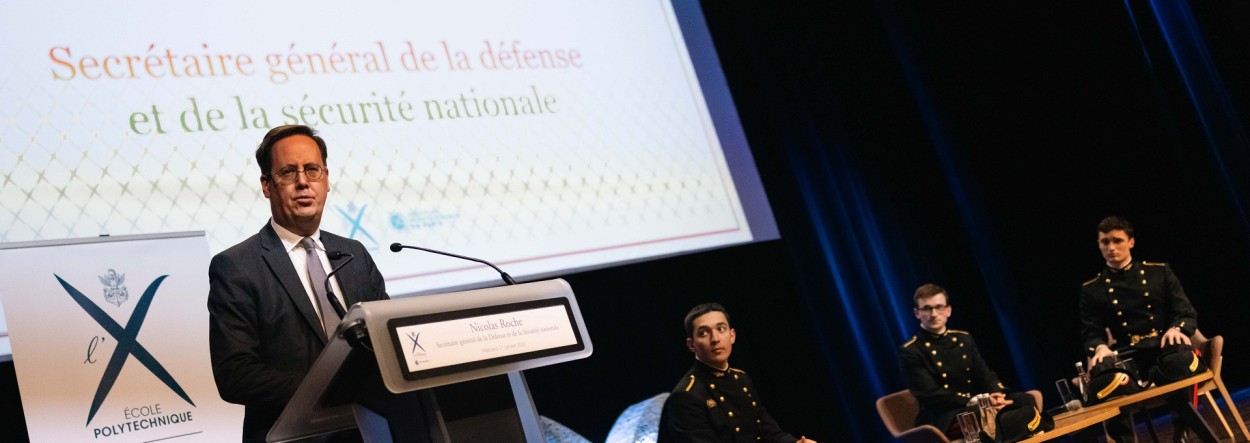
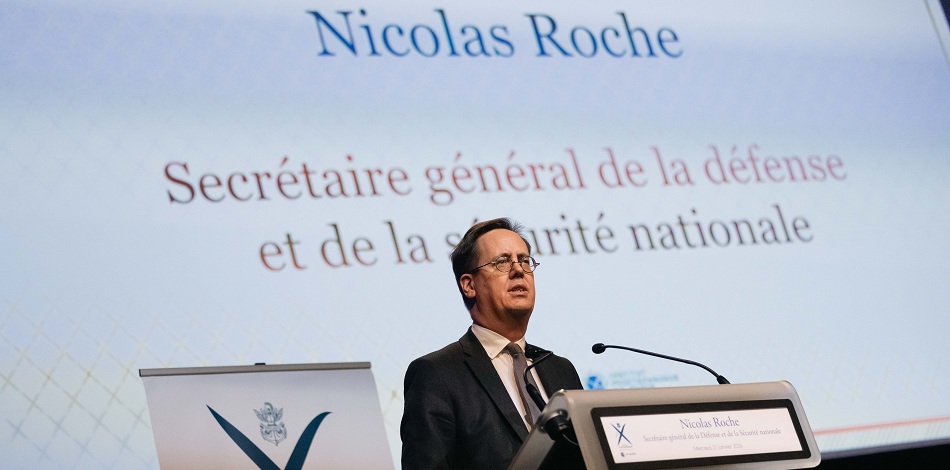
‘The current threat level is the highest it has been since the end of the Cold War.’ Speaking candidly at a conference attended by the X23 and X24 classes of engineering students at the École Polytechnique, Nicolas Roche, Secretary General for Defence and National Security, outlined the new challenges facing defence and security.
He explained how the SGDSN coordinates the national defence and security strategy between ministries, working with all stakeholders to develop threat scenarios (including digital threats, espionage, sabotage, information manipulation and public disorder for strategic purposes, and the use of drones for military purposes).
‘Beyond government ministries, everyone has a role to play in addressing these threats: local authorities, experts, think tanks, NGOs, businesses, and citizens as a whole.’ This is how the National Strategic Review, published in July 2025, came to be. Nicolas Roche discussed the review with engineering students from the X23 and X24 classes at the École Polytechnique, encouraging them to read it in full and emphasising the importance of paragraph 112. ‘The National Strategic Review is a straightforward, honest document designed to help all French people understand the nature of the threat scenarios we are likely to face, and the need to move from strategic intelligence to action,’ he stressed.
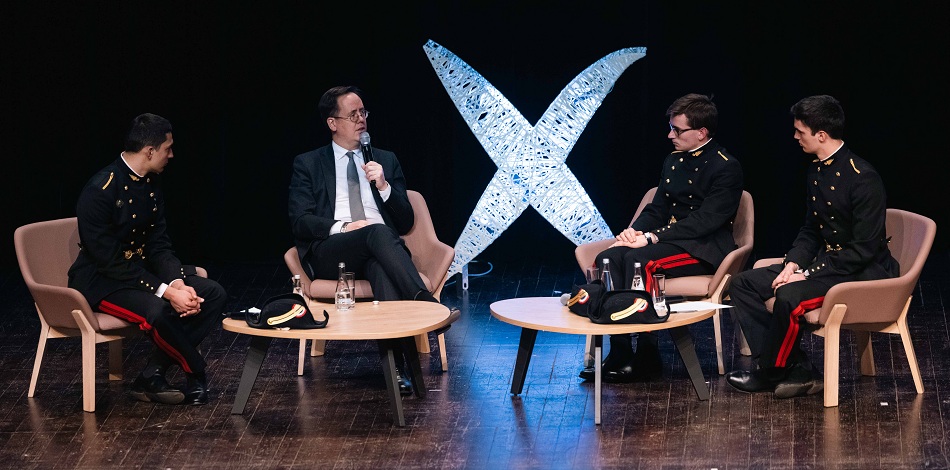 Round table discussion with Nicolas Roche and students from the École Polytechnique © Jérémy Barande, École polytechnique
 © Jérémy Barande, École polytechnique
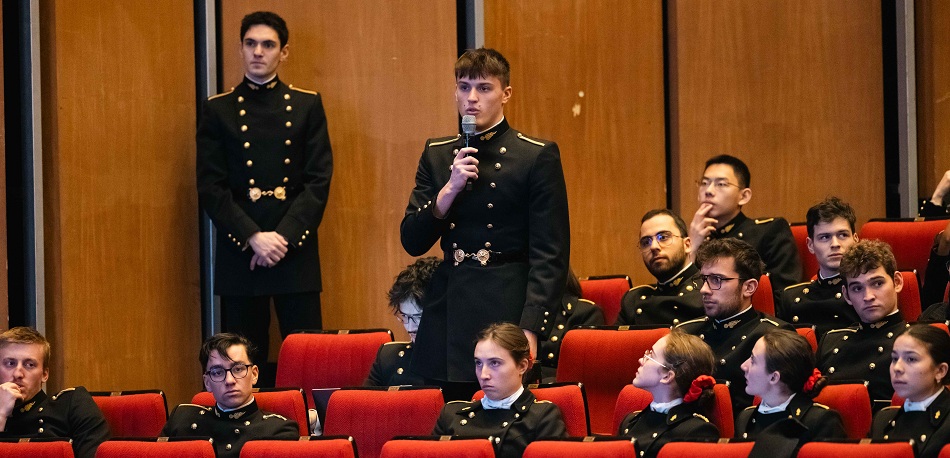 Question and answer session with the audience © Jérémy Barande, École polytechnique
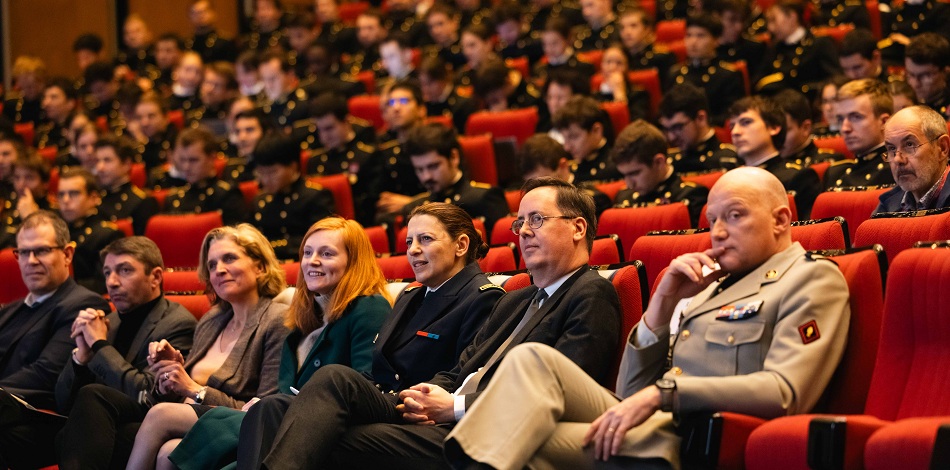 © Jérémy Barande, École polytechnique
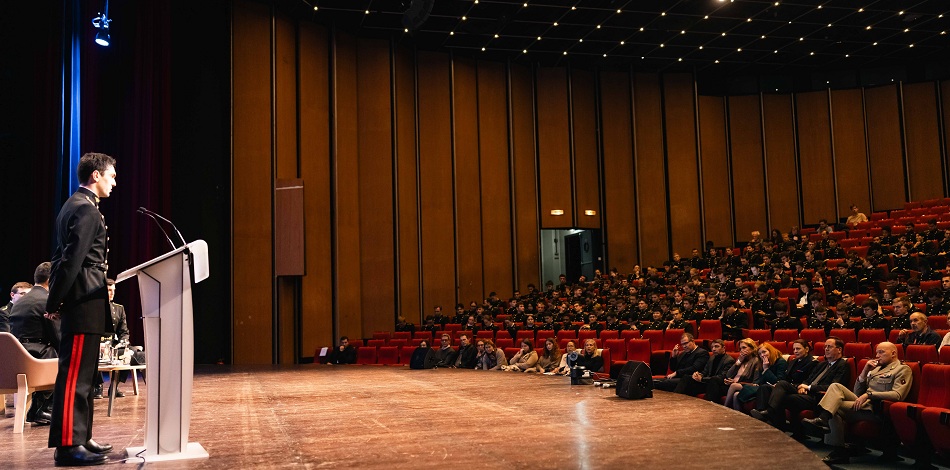 Timothée Le Gallic, a student at the École Polytechnique in the class of X23, recounts Nicolas Roche's career. © Jérémy Barande, École polytechnique
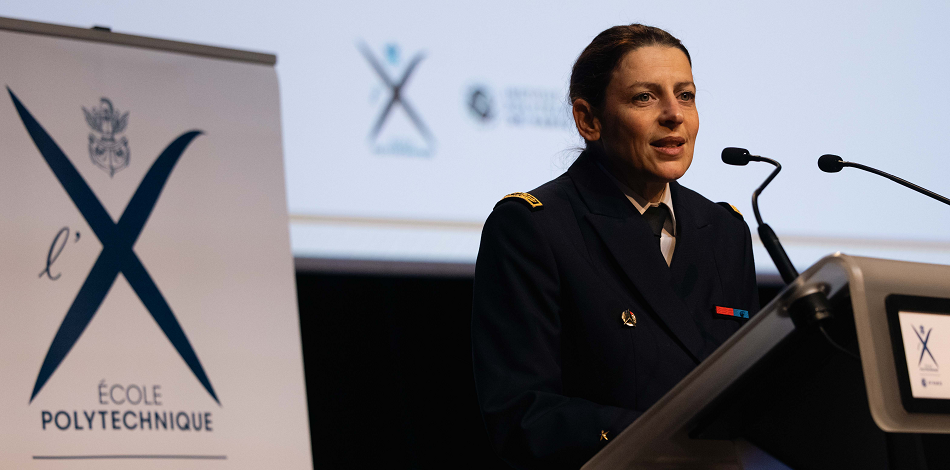 Laura Chaubard, President and Chief Executive Officer of the École Polytechnique © Jérémy Barande, École polytechnique
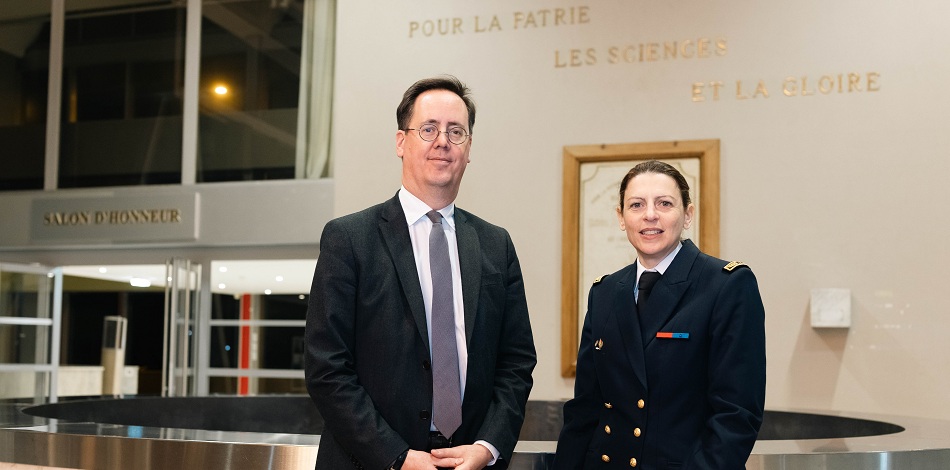 Nicolas Roche and Laura Chaubard © Jérémy Barande, École polytechnique
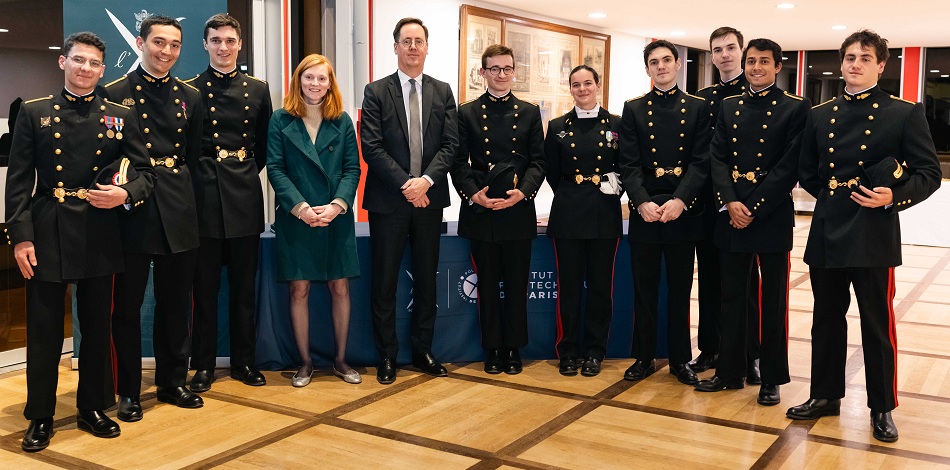 The Secretary General for Defence and National Security with students from the X23 and X24 classes at the École Polytechnique © Jérémy Barande, École polytechnique
̒You have a role to play!̕
Paragraph 112 refers to the key scenario of ‘preparing for war’. Avoiding any controversy, Nicolas Roche pointed out that this is not a conventional war on our national territory, but rather multiple hybrid attacks that must be managed simultaneously on all fronts. The key words here are planning, anticipation and adaptation. ‘If we prepare for the most challenging and structuring scenario, we are more likely to be able to deal with unforeseen attacks. Reality never conforms to the plan,’ he warned.
According to him, this central scenario involves three challenges: transforming the defence apparatus to prepare it for war; raising national awareness of the risks of hybrid attacks, such as cyberattacks, espionage and disinformation; and tackling these two challenges simultaneously. ‘We do not have the luxury of choosing the threats, risks, or the order in which they will be imposed on us by our adversaries,’ he added.
̒Whether you spend your early years working at the Directorate General of Armaments, the Ministry of Defence, in industry or in wider society, you will each have an essential role to play in your respective positions. You will each have your own responsibilities and, above all, you will undergo demanding training, particularly in the hard sciences and digital technology. Ultimately, this will ensure that the nation is prepared for all risks and threats from outside,̕ Nicolas Roche continued, addressing the Polytechnique students.
After his lecture, he spoke with the students about the current international situation, including the conflicts and tensions in Greenland, Venezuela and Iran, and the increasing questioning of the multilateralism and respect for the rule of law that prevailed after the Second World War. ̒In a world that poses risks to us, we cannot be naive or deny our fundamental principles [editor's note: our relationship with the law], or we will lose everything. France, and more generally Europe, must develop an autonomous defence capability,̕ he argued.