 Support l'X
 Mentoring: a way to promote the success of women in science
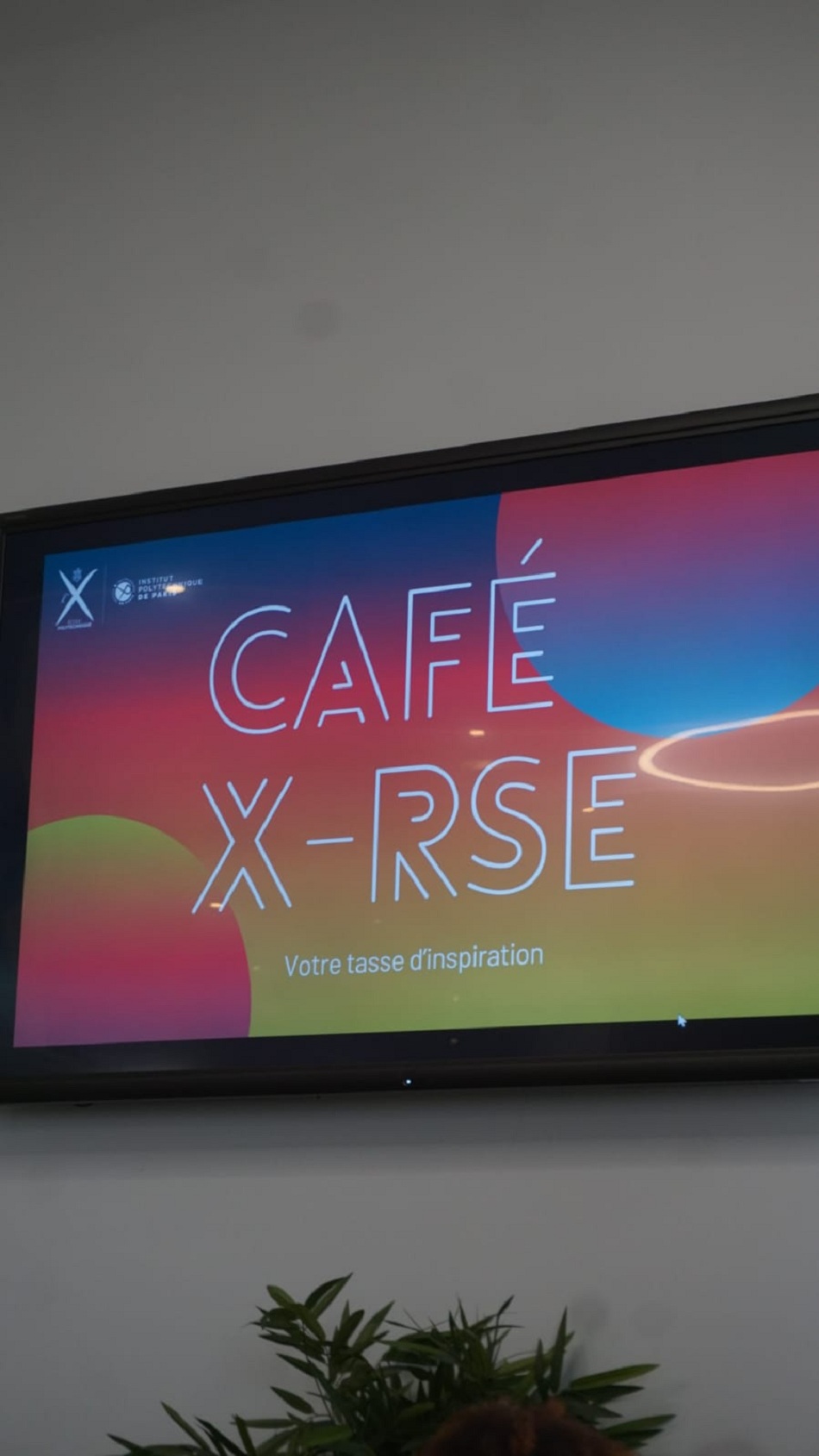
Around 50 people attended the X-RSE Women and Science Café, an event open to administrative staff, teachers and students from École Polytechnique and Institut Polytechnique de Paris. The event was moderated by Amélie Elouin, a scientific communications officer and former doctoral student at the Optics and Biosciences Laboratory (LOB), and provided an opportunity to explain the mentoring programme in detail.
Mentoring is an essential tool for supporting women scientists.
Juliette Toumelin, head of the Equal Opportunities department, highlights the importance of mentoring in the support initiatives offered to middle and high school students. The department runs initiatives aimed at both mixed-gender groups and young girls, ensuring gender parity. These programmes rely on the involvement of École Polytechnique students, researchers and alumni, who act as tangible and approachable role models. They can address concerns, answer questions about career paths and encourage students to consider pursuing demanding scientific careers.
This support continues beyond middle and high school. There are other programmes that provide this support during higher education and beyond. One example is the IP Paris mentoring programme for female doctoral students, which was co-created by Antigoni Alexandrou (CNRS research director at LOB, former gender equality officer for École Polytechnique staff and current CNRS gender equality officer within her laboratory) with the Femmes & Sciences association. The programme involves regular meetings with a mentor and group sessions aimed at building a network, exploring postdoctoral career opportunities and showcasing inspiring female career paths. ̒Mentoring is, above all, a voluntary and confidential interpersonal relationship in which a more experienced person supports the development of a less experienced person.̕ This relationship can be informal, through meaningful encounters or advice received along the way, or it can be part of the programmes offered.
Why mentoring?
Among younger people, science and engineering fields are often unknown or perceived as inaccessible due to persistent stereotypes. Mentoring helps break down barriers relating to information, confidence and perception, while supporting the development of skills and working methods.
These same biases continue to have an impact among young and experienced female researchers. Antigoni Alexandrou highlighted the difficulties female researchers face in maintaining a work-life balance, particularly those who choose to have children, as well as the isolation they experience in male-dominated environments. In this context, mentoring plays a key role in combatting isolation by providing opportunities for discussion and supporting researchers at pivotal moments in their scientific careers, such as their first conference, first article or thesis writing.
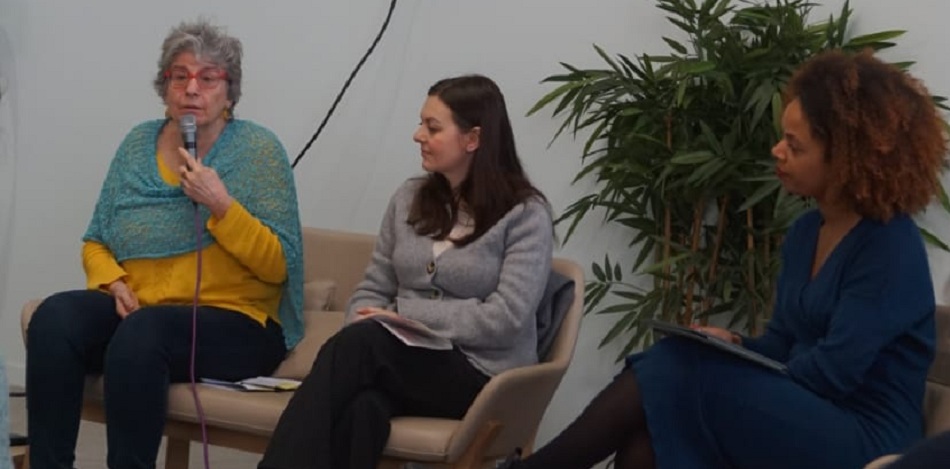 The two speakers at Café X-RSE were Antigoni Alexandrou and Juliette Toumelin, alongside Amélie Elouin, who moderated the discussion.
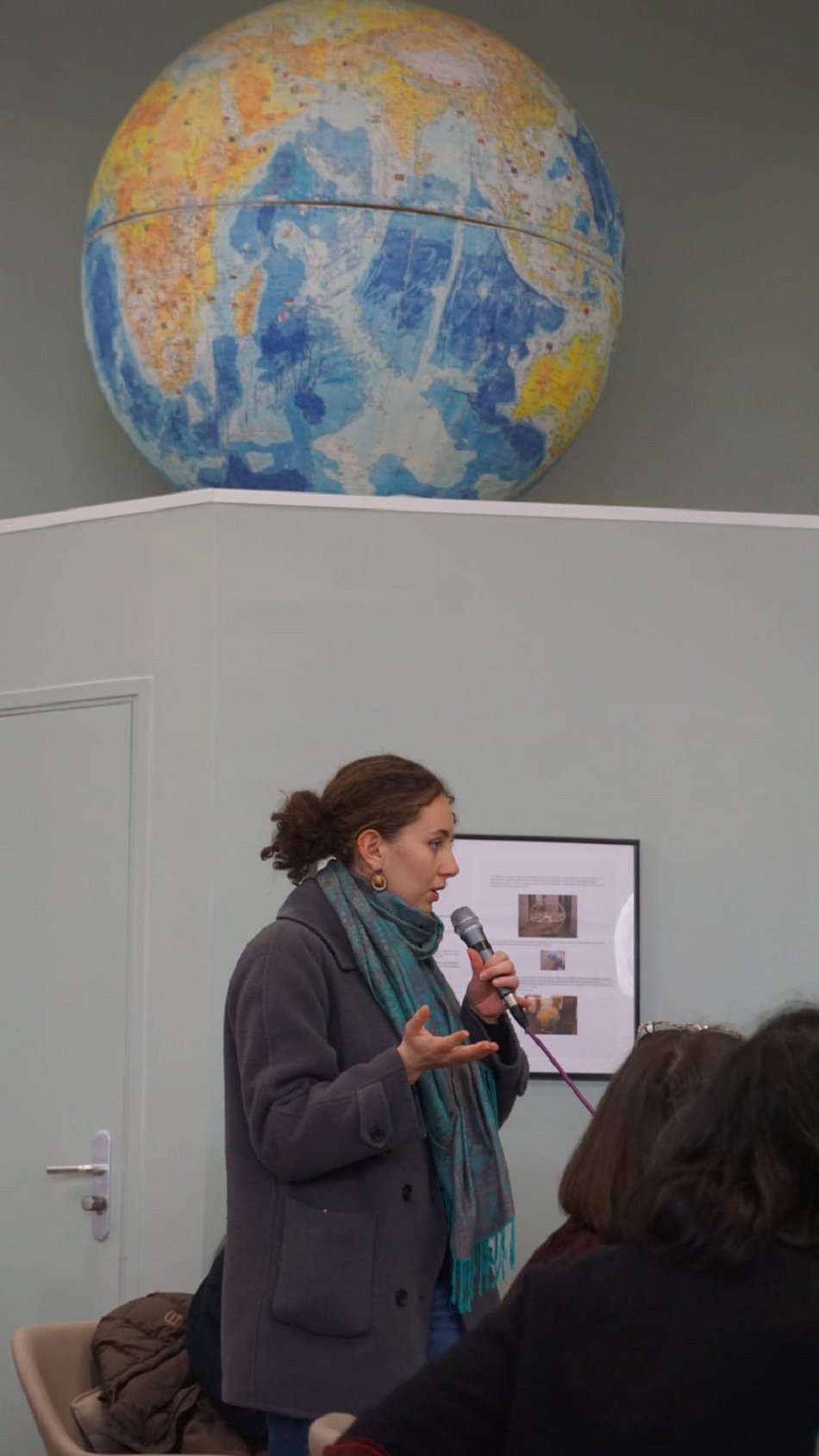 Public interactions
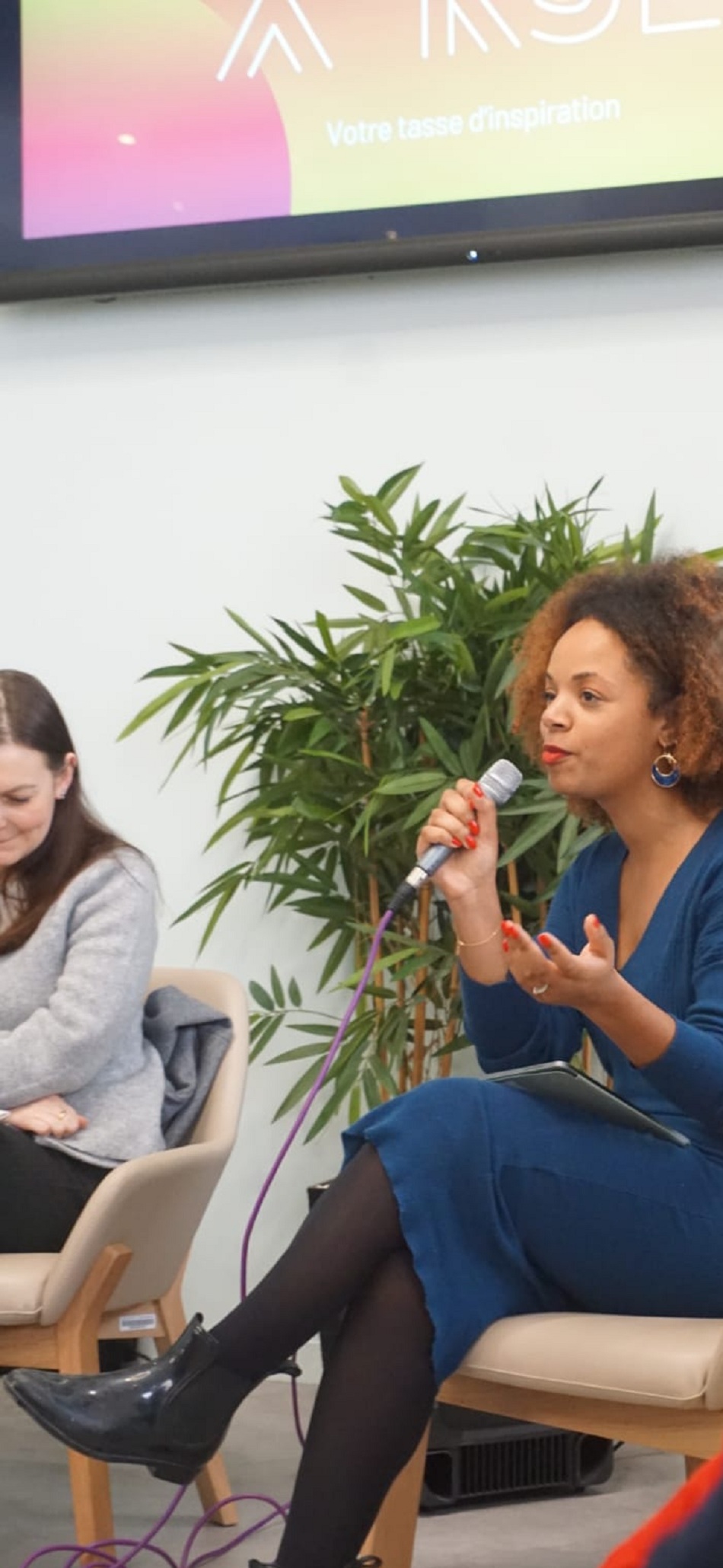 Amélie Elouin is a scientific communications officer and a former doctoral student at the Optics and Biosciences Laboratory (LOB).
Concrete, human and lasting impacts
For middle and high school girls, mentoring can be crucial in choosing a career path by removing barriers related to information, projection or perceived ability. Juliette Toumelin gave two examples of the real impact of these actions: one student who was considering a technical degree just to spite others was able to gain confidence and enrol in a science preparatory class; another student raised her maths grade from 5 to 17!
Mentoring is not only for so-called 'excellent' students; it is also ̶ and above all ̶ for people with potential who lack confidence, resources or guidance.
Although the impact of mentoring on female doctoral students and young researchers may be more difficult to quantify, qualitative feedback attests to its real effect on their career paths. Antigoni Alexandrou cited the following enthusiastic feedback from a female doctoral student she mentored: ̒Her insightful advice and experience were invaluable in helping me think about my professional future.ʼ Mentoring can help to address the 'leaky pipeline' phenomenon, whereby female scientific talent is lost at various stages of their careers, from initial orientation to access to positions of responsibility. Mentoring can promote success in the scientific field. ̒Behind every successful career, there is a mentor,ʼ she summarised.
You can contribute to the success of another talented individual by mentoring them. If you would like to get involved, contact the Equal Opportunities department at École Polytechnique here. Applications for the IP Paris mentoring programme are open until 4 March 2026. Click here for more information.
Throughout the year, École Polytechnique hosts other discussions on the theme of Women and Science to promote gender diversity in scientific programmes.