 Support l'X
Social and environmental sustainability - A Priority for Universities in Europe
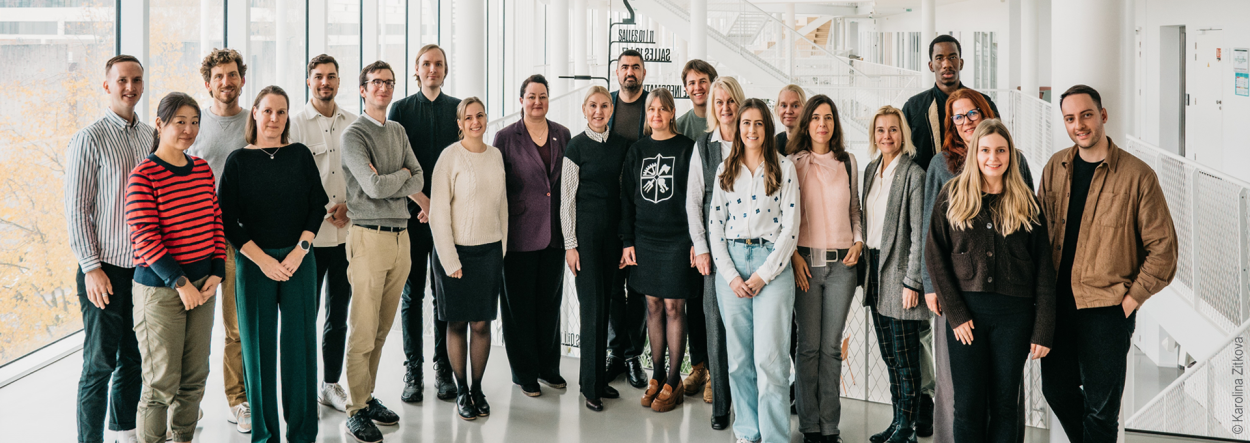
École Polytechnique organised a week dedicated to sharing best practices in social and environmental responsibility among professionals from universities in Europe. Held from 2 to 6 November 2026, the workshop gathered over twenty participants from partner institutions within the EuroTeQ Engineering University alliance: Eindhoven University of Technology (TU/e), Tallinn University of Technology (TalTech), Czech Technical University Prague (CTU), EPFL, and HEC Paris. Representatives of the Igor Sikorsky Kyiv Polytechnic Institute of the National Technical University of Ukraine, an international partner of l’X, also participated in the event.
Charlotte Dieutre, Director of Social and Environmental Responsibility at l'X, presented École Polytechnique’s strategy in this domain and its policy to promote equal opportunities. As part of these efforts, École Polytechnique encourages each year over 20,000 secondary school students across 475 schools throughout France to consider pursuing scientific studies, helping to combat self-censorship, particularly among girls.
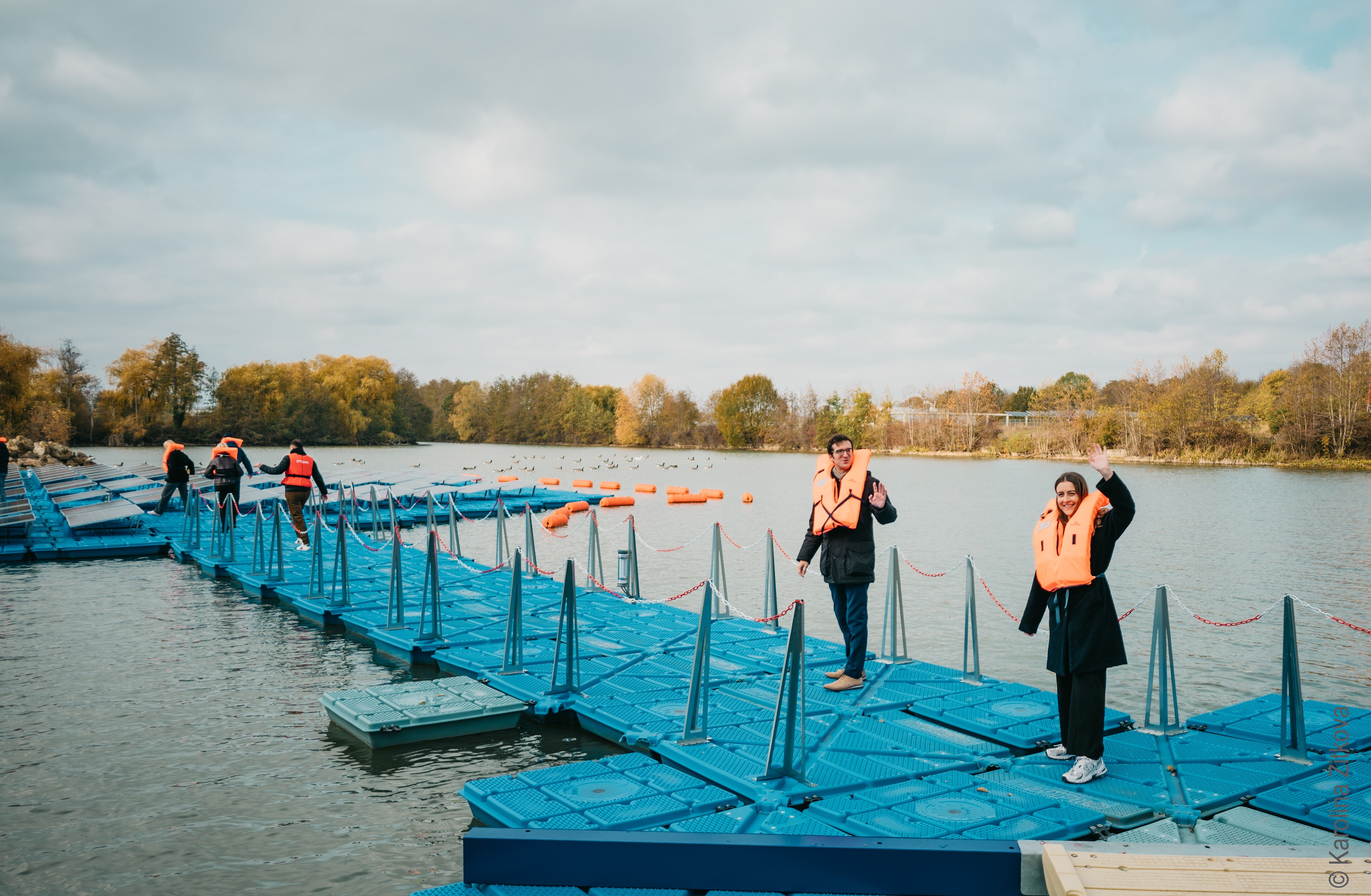
The participants could also visit the research demonstrator XSeaO2, dedicated to the capture of atmospheric CO2 and the production of synthetic fuels from CO2 dissolved in water, set up on the lake at École Polytechnique. The subsequent visite of the atmospheric observatory SIRTA sparked discussions on the challenges of measuring climate change, and the importance of bridging the gap between climate science and public policy.
“It was very interesting to see the XseaO2 project in person, the size and possibilities that it could open for the future“, says Sten Kevin Lehtsalu, analyst in the Rectorate Strategy Office at TalTech, who participated in the event. He explains having been particularly impressed by the complementarity “between projects, like for example the cloud forecasts from SIRTA, which enable to estimate the efficiency of the solar panels on the lake and to balance the power usage” and provide a perfect illustration of how projects can complement and support each other.
Helen Sooväli-Sepping, counsellor of sustainable development and green transition at TalTech, presented the TalTech’s strategy to achieve carbon neutrality by 2035, reducing emissions by 80 % compared with 2024 levels. This strategy is based in particular on the modernisation of campus buildings, improved energy efficiency and the development of renewable energy sources.
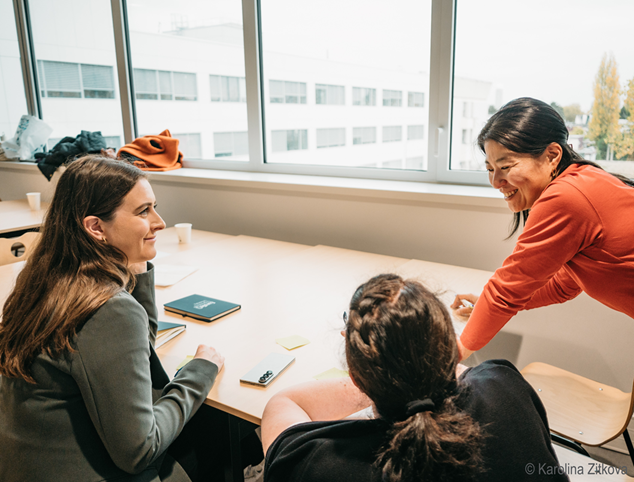
Student engagement was another important topic during the week. Jules van Waveren, a student at TU/e, highlighted the role students play in implementing the university’s social and environmental responsibility strategy through the Go Green Office. Comprising twelve students, this student-led initiative actively promotes sustainable practices across the campus. Its initiatives include encouraging recycling and waste recovery, with the ambition of making the university a zero-waste institution by 2030.
The week provided an opportunity to showcase the commitment and expertise of multidisciplinary teams working to advance sustainable development at universities across Europe. The event was made possible thanks to the support of the Erasmus+ program.