Support l'X
 The third Réflexions conference at École Polytechnique on the challenges of energy transition

The third edition of the biennial international scientific conference “Réflexions,” organized by the Institut Polytechnique de Paris and dedicated this year to energy transition, was once again held at École Polytechnique with the support of the Energy4Climate (E4C) interdisciplinary research center and renowned researchers affiliated with École Polytechnique.
"In an increasingly unstable world, the energy transition is much more than a technical challenge; it reveals our dependencies and collective choices. In light of current events, we felt it was essential to devote this year's conference to the theme of energy transition," said Thierry Coulhon, Chairman of the Executive Board of the Institut Polytechnique de Paris, of which École Polytechnique is a founding member, in his opening speech.
“In the current political and geopolitical environment, it must be said clearly that the climate issue too often takes a back seat, not because it is less urgent, but because the world has become more conflictual, more uncertain, and more constrained by short-term considerations,” he continued.
"In this world, energy is not just an environmental issue, it is also a question of sovereignty, security, and stability of states (...) It is also a question of global balance between countries, between territories, between generations, and it is precisely this spirit that has guided the planning of this conference on the themes of security, sustainability, and energy justice," emphasized Thierry Coulhon.
A triptych of sustainability, security, and justice
This third edition of the Réflexions international scientific conference focused on three main themes: energy sustainability, exploring the conditions necessary for the long-term environmental viability of energy systems; energy security in an environment marked by fragile supply systems and geopolitical uncertainties; and energy justice, ensuring that the energy transition is approached in an inclusive manner.
"This conference reflects two long-held convictions that we share here at the Institut Polytechnique de Paris: the first concerns environmental issues, where science is an essential prerequisite for informed debate in order to observe, measure, understand, make accurate assessments, and produce reliable models capable of guiding our collective action (...) The second is that environmental transition depends on constant dialogue between research, public policy, economic actors and, more broadly, all citizens", noted Laura Chaubard, Executive Director and Interim President of École Polytechnique.
“Here at École Polytechnique and more broadly on the Saclay plateau, we have the unique opportunity to bring together an ecosystem rich in expertise of all kinds and capable of addressing these challenges in a systemic manner, combining multidisciplinary perspectives. The Energy4Climate (E4C) center was designed at the heart of this collective dynamic”, she said.
She highlighted École Polytechnique's longstanding commitment to climate action, “notably through the cutting-edge research conducted by the Laboratory of Dynamic Meteorology (LMD), which contributes regularly to the IPCC model.”
“Today, the entire campus is living in step with the energy transition, like an open-air laboratory, as we host scientific demonstrations of seasonal energy storage, energy grid management, agrivoltaics, and carbon capture throughout the campus, on our grounds, in our buildings, and very soon on the lake (at the École),” she noted.
Three round tables
The three themes were discussed by prestigious speakers during three round tables, moderated respectively by Philippe Drobinski, Director of the E4C Center and professor at École Polytechnique, on the topic of energy sustainability; by Céline Guivarch, professor at École nationale des Ponts et Chaussées (member of IP Paris) and coordinator of the course “Engineering Sustainability, Engineering for Sustainability” for second-year engineering students at École Polytechnique, on the topic of energy justice; and by Mathieu Xémard (X2014), weapons engineer and project manager at the Interdisciplinary Center for Defense and Security Studies (CIEDS) at the Institut Polytechnique de Paris on energy security.
The second edition of the international scientific conference REFLEXIONS, held in 2023, focused on regulation in the face of climate change. It brought together scientists, public decision-makers, representatives from the business world, and civil society for a day of rich and constructive discussions. The discussions provided key insights into science-based regulation, sustainable finance, international cooperation, and consumer behavior, laying the groundwork for the in-depth systemic reflections planned for the 2026 edition.
Laurent Fabius, President of COP 21 and President of the COP Presidency Circle, was the keynote speaker at the conference. He stated that "faced with the essential and even existential reality of global warming, public policies should strive to pursue three objectives simultaneously, which are at the heart of the conference's discussions: sustainability, which aims to preserve ecosystems in the long term; sustainability, i.e., the economic and social capacity to implement the ecological transition; and social justice, which calls for a fair distribution of the efforts and benefits of this transition."
While acknowledging the conflicts that may arise between these three objectives, he called on “all those who are truly concerned [about global warming] to take action to ensure that this triptych—durability, sustainability, and equity—prevails, knowing that if one term is removed from this formula, the whole equation falters.”
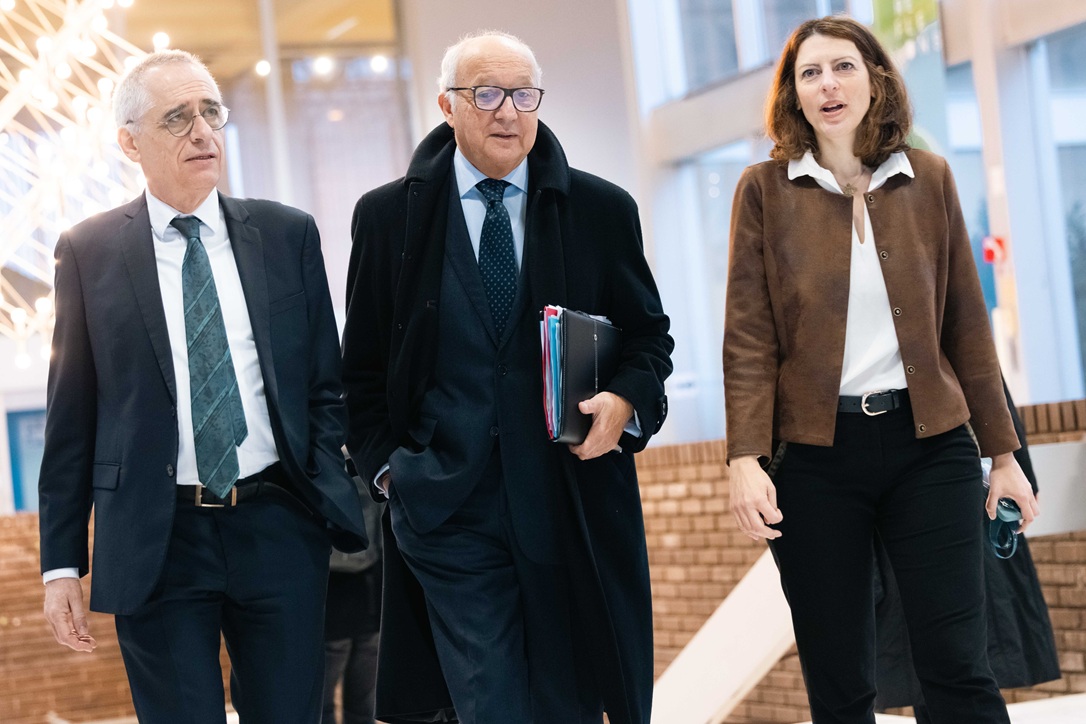 De gauche à droite : Thierry Coulhon, Laurent Fabius, Laura Chaubard
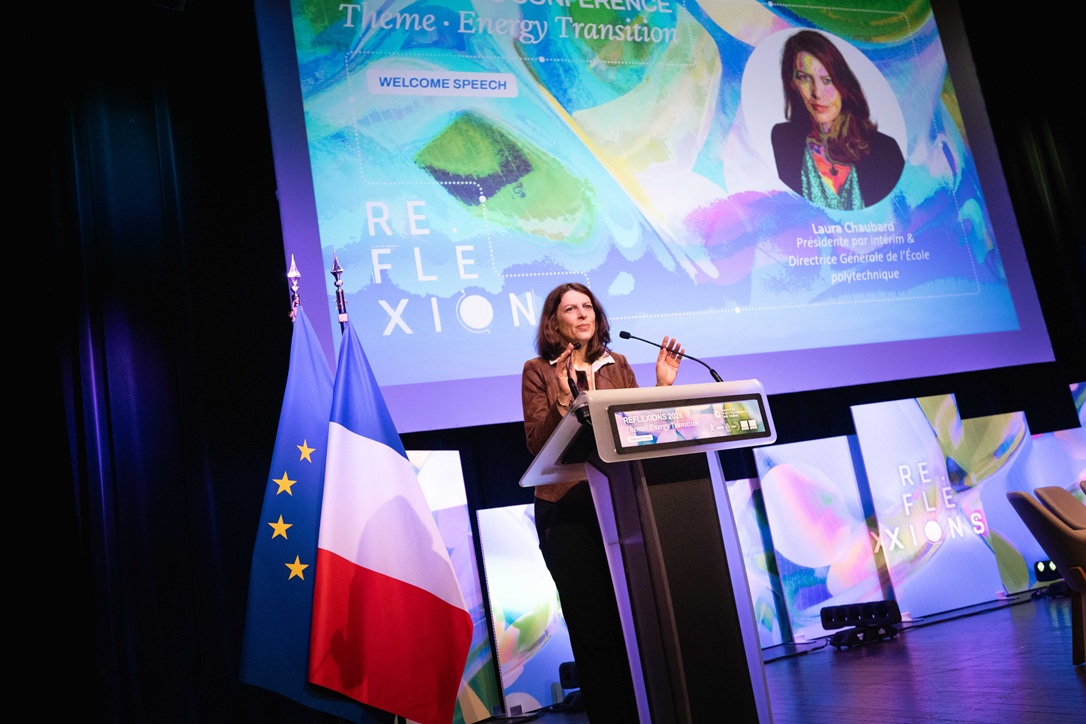
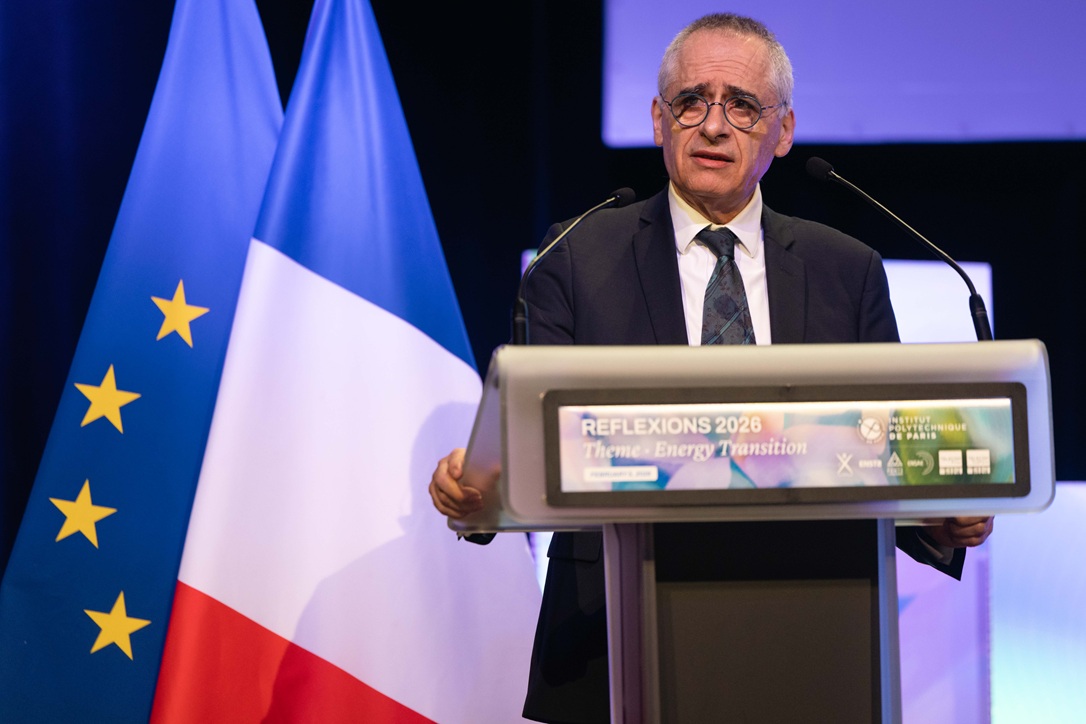
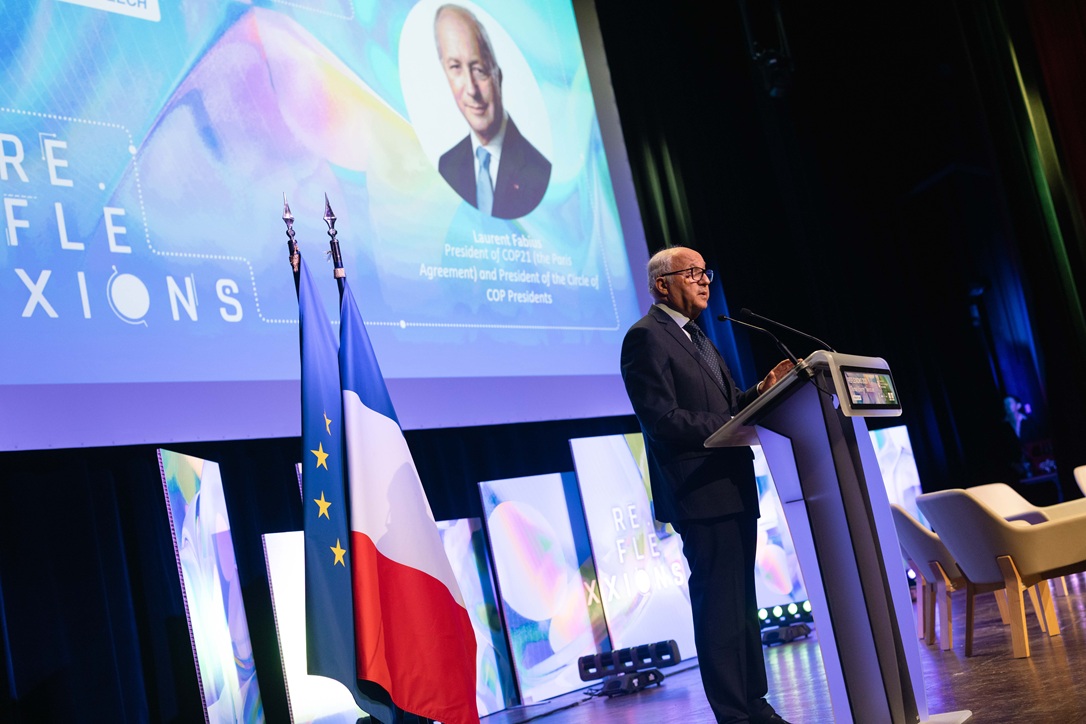
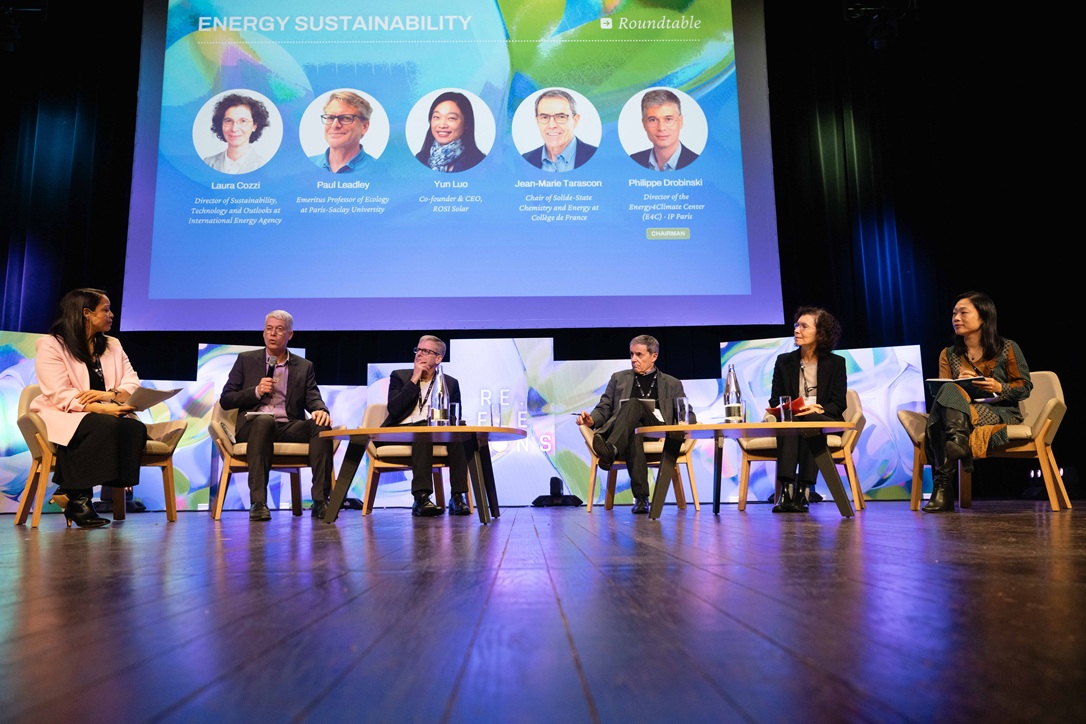 Table Ronde "Energy Sustainability"
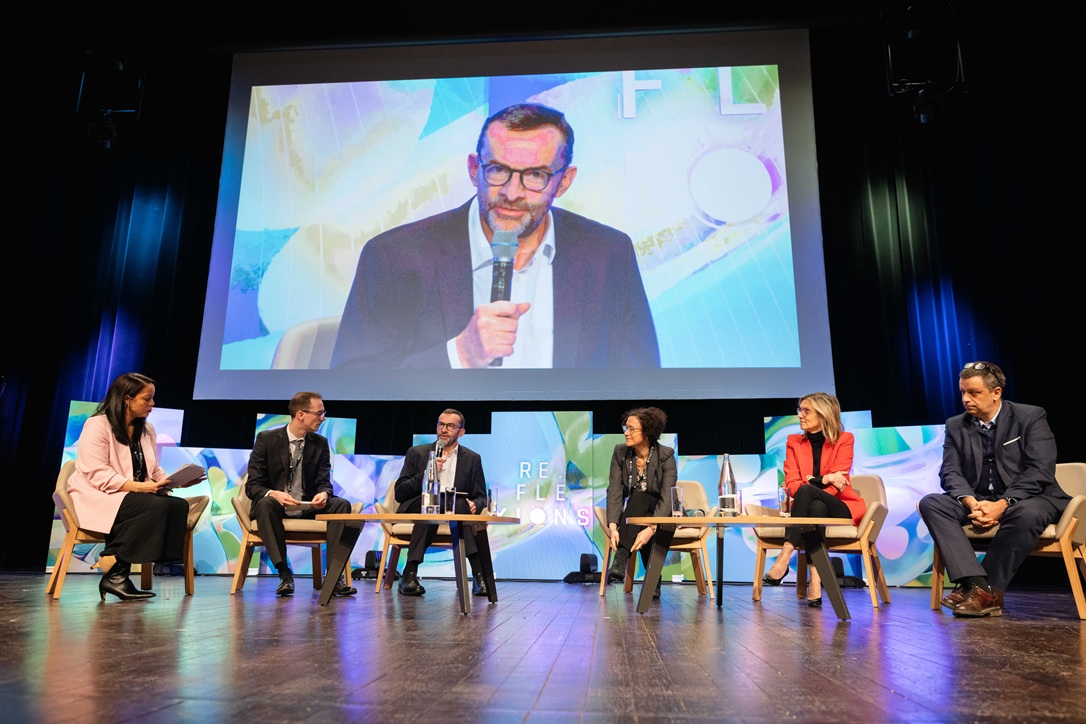 Table Ronde "Energy Security"
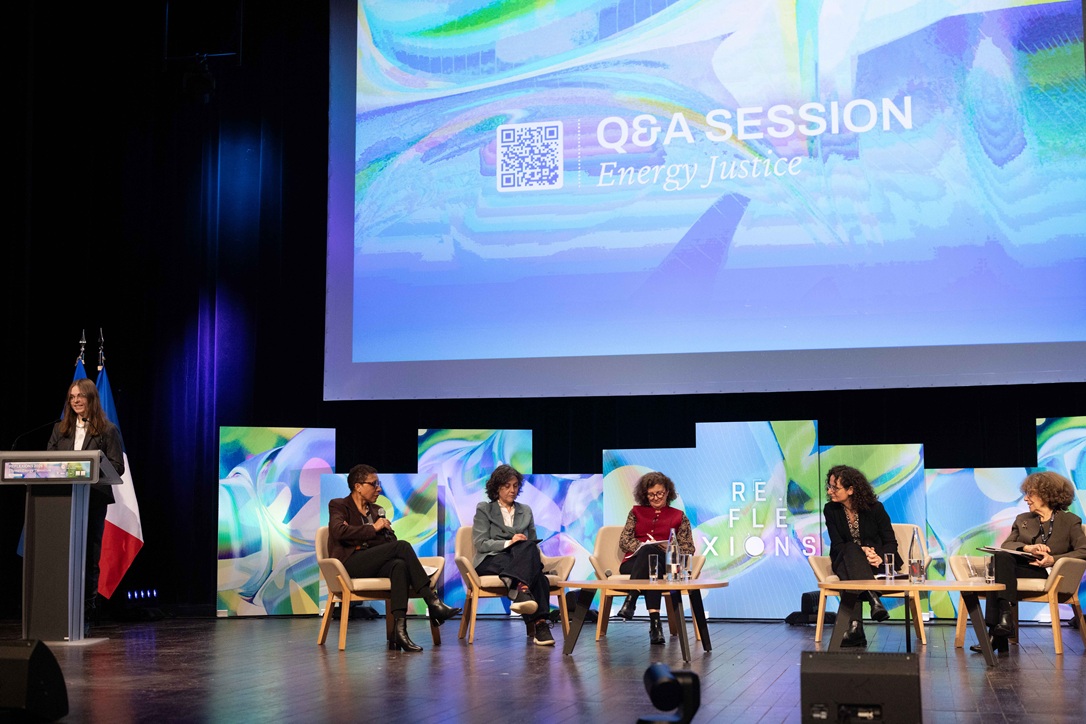 Table Ronde "Energy Justice"